
 REVIEWS
How to Design a Patch That Stays Readable: A Guide to Embroidery Clarity
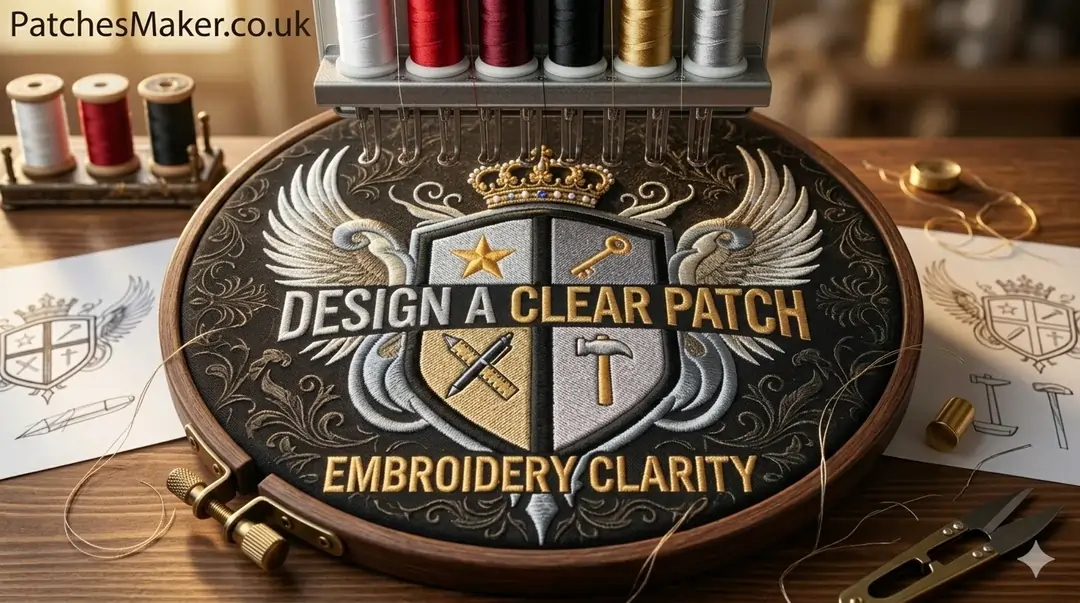
Designing a readable embroidered patch requires a few key practices. You need to prioritise simplicity and bold elements over complex details. The patch design is one of the most important considerations during the process. It is the only factor that determines whether your details are legible from a distance or get lost in the thread texture. One small mistake can ruin the quality of your patch and make it appear uncluttered. Keep reading to discover the professional design tips that can help you create a clean and crisp product!
Why Does Embroidery Clarity Matter?
Custom patches are a timeless way to promote a brand and build a community spirit. However, there is a massive difference between a digital design on a screen and a physical patch made of thread.
The design is one of the most important details of custom embroidered patches. Designing for embroidery requires a different mindset than designing for print or web.
How To Design A Readable Patch?
Let’s take a look at everything you need to remember to get a flawless design for your patch.
The Golden Rule of Embroidery Text
The most common mistake in patch design is making text too small. In the world of thread, there is a physical limit to how small a needle and thread can go before the holes in the letters close up.
You need to follow these industry standards to ensure patch legibility.
- The minimum letter height should be 0.25 inches (6mm)
- You need to use Sans-Serif fonts like Arial or Helvetica for small text
- Avoid serif fonts as the words often feel illegible when the letters are together
Remember, the space between letters should be about 1-2 mm to prevent them from bleeding together.
Use Simple Colors And Contrast
Digital printing can handle millions of colours. However, embroidery machines allow only a limited number of threads. You need to ensure that there is a perfect balance between the shades while creating your designs.
Here is how you can add more clarity to your designs by following these useful tips to design custom patches:
- Contrast Matters
High contrast makes your patch readable. For example, a dark navy text on a black background will disappear. Always aim for a light-on-dark or dark-on-light approach.
- Limited Colours
Use a few colours to create an attention-grabbing design and ensure readability at a quick glance. This approach reduces cost and avoids clutter in your designs.
Focus On The Structure Design
The structural design of your patch requires some extra effort. Tiny details and fine textures often struggle to get converted into a thread.
Remember these structural design tips:
- Give your text atleast 60% of the design for maximising readability
- Add thick outlines for structural integrity and to prevent fraying
- Avoid adding tiny details in the centre of your patch
- Use bold icons and logos on the patch
Choose the Right Patch Type
Not all personalised patches are created equal. Different media offer different levels of detail.
| Patch Type | Best For | Clarity Level |
| Embroidered | Classic look, bold logos, thick text | Medium (Text must be >0.25) |
| Woven | Intricate details, thinner lines | High (Uses thinner threads) |
| PVC (Rubber) | Rugged use, waterproof, 3D effects | Excellent (Crisp, moulded edges) |
| Sublimated | Photorealistic images, tiny text | Maximum (Printed, not sewn) |
A woven patch often works as a better choice than traditional embroidery if your design has a lot of fine lines or small copyright symbols.
Understanding The Importance of Digitising
A digitiser converts your digital art (JPG or Vector) into a stitch file (DST or EMB). This is where the magic or the disaster happens for your patch.
A good digitiser decides the stitch direction.
| Satin Stitches | Fill stitches |
| Used for borders and text. | Used for large background areas. |
| They are shiny and smooth. | They give a matte and textured appearance. |
Managing Borders and Edges
The border of your custom patches UK acts as a frame. A messy frame fails to hold everything together. The right border choice is essential for keeping the threads tight.
Here is what you need to know about both of the border options:
Merrowed Borders
- These are the thick, wrapped edges created by an overlock sewing machine
- They work great on simple shapes (circle, square, shield)
- These patches provide a classic and professional look
Heat-Cut (Satin) Borders
- These are thinner and used for complex die-cut shapes.
- Use these if your design has sharp corners or intricate outer edges.
- They allow for almost any shape and a clean, modern look.
Check Your Patch Before Production
You need to assess your digital mockup before submission. If you are working with a professional patch manufacturer, make sure to ask them for a mockup of your patch.
Here is what you need to check before finalising the order of your iron-on patches:
- Embroidery textures
- Stitch styles
- Border options
- Colour choices
- Centre alignment
If you are submitting the design yourself, make sure to:
- Open your design on your computer.
- Shrink it down on your screen until it is the actual size of the physical patch (e.g., 3 inches).
- Stand back 3 feet from your monitor.
- Can you still read it?
Your design is too busy if you have to lean in. Simplify until it’s legible from that distance.
What Are The Common Pitfalls You Need To Avoid?
Avoid these three clarity killers to ensure your patch looks like a professional product rather than a DIY project.
- Adding Too Many Details
Trying to squeeze all the details into a small space can make your patch look extremely unprofessional. Use only the most essential elements and 3-5 words.
- Thin Outlines
A 1pt line in Illustrator is almost impossible to recreate in thread. Aim for at least 2pt to 3pt thickness for any line you want to be visible.
- Busy Backgrounds
Your text will struggle to stand out if your background has a complex pattern. Keep backgrounds solid or very simple.
A Quick Summary Checklist for Patch Clarity
Take a look at this summary checklist before you submit the design of your custom hats patches.
- Text Height: Is all text at least 0.25″ tall?
- Font: Did I use a clean Sans-Serif font for small words?
- Contrast: Is there a clear difference between the thread and background colours?
- Spacing: Is there breathing room between letters and icons?
- Simplicity: Have I removed unnecessary shadows or tiny details?
FAQS
Why is readability important in a patch design?
Readability is extremely important in patch designs, as it ensures that the logo or any other artwork remains visible after embroidery. A clear patch helps people recognise your brand message instantly.
Do embroidered patches last forever?
Yes! Embroidered patches can easily maintain their appearance for years if you handle them properly, run them through gentle machine wash cycles, and avoid using bleach on them.
Can embroidered patches include gradient or shadows?
An embroidered patch has limitations with gradients and fine shading. The use of solid colours and simplified effects usually produces more professional-looking patches.
Wrapping Up
Designing a patch is all about focusing on minimalism and ensuring the right balance between the text and design. The more you eliminate the unnecessary details, the louder your brand’s voice will be. All you need to do is respect the physical limits of the thread and needle, and ensure your custom patches not only look good on a screen but also look stunning on a jacket, hat, or bag! So, right before designing your patch, remember to keep it bold, simple, and, most importantly, readable.

As the content specialist for PatchesMaker.co.uk, I focus on delivering practical insights into the world of custom patch manufacturing across the UK. My blogs cover everything from military and morale patches to promotional and corporate branding solutions. I break down production processes, quality standards, backing options, and design considerations in a clear and professional manner. Through informative and research-driven content, I aim to help businesses, sports teams, and institutions make confident decisions when investing in custom patches that reflect their brand values.