
 REVIEWS
How to Choose the Right Patch for Your Jacket
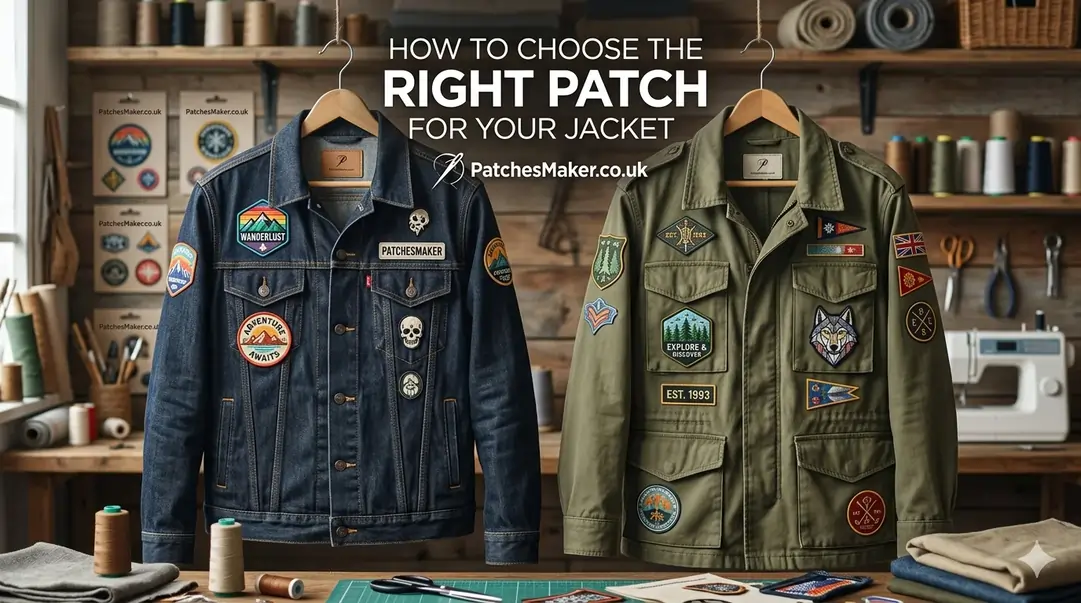
Jacket patches are a fun way to show style. They can tell a story about who you are. Some people use them to show hobbies, while others use them to represent clubs, teams, or brands. But not every patch works well on every jacket. The material, size, and design of the patch matter a lot. If you choose the wrong one, it may look odd or wear out quickly. In this guide, we will explore the best types of patches for jackets and how to choose the right one for your style.
Think of a jacket like a blank canvas. A good patch can turn a plain jacket into something special. A biker jacket, a denim trucker, or even a winter parka can look completely different with the right patch. But which patches actually work best? Let’s explore the details.
Are Jacket Patches Really That Important?
Patches do more than decorate clothing. They add identity and make jackets look unique.
Many fashion trends today use patches to create bold looks. Streetwear brands, biker groups, and sports teams all use them.
Here is why people love jacket patches:
- They make jackets personal
- They cover damage or stains
- They add color and texture
- They show personality or group identity
A good patch should match the jacket material. It should also be strong enough to last through washing and daily wear.
Why Embroidered Patches Are the Most Popular Choice
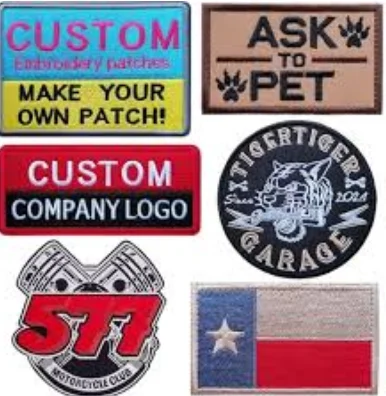
Embroidered patches are one of the most common options for jackets. They use thick thread stitched into fabric to create a raised design. The result looks textured and bold. Many fashion brands and clubs prefer this style and give jackets a classic look.
Custom embroidered patches work very well on denim, cotton, and canvas jackets. These fabrics are strong enough to hold the stitching.
Why do people like embroidered patches
| Feature | Benefit |
| Thick thread design | Looks bold and detailed |
| Strong stitching | Lasts a long time |
| Many color options | Easy to match with any jacket |
You will often see these patches on:
- Biker jackets
- Denim jackets
- Varsity jackets
- Military-style jackets
The raised texture also makes the patch stand out from a distance.
Woven Patches Are Best for Detailed Designs

Woven patches look similar to embroidered ones, but the design is created using a thinner thread. This allows very small details to appear clearly. Because of this, woven patches are great for logos and small text.
An online patch maker can usually create woven patches for brands that want very precise artwork. These patches are lighter and smoother than embroidered ones.
When woven patches work best
| Jacket Type | Why It Works |
| Lightweight bomber | Thin patch keeps jacket flexible |
| Windbreakers | Smooth surface fits better |
| Fashion jackets | Cleaner design look |
However, woven patches do not have the same thick texture as embroidered ones. Some people prefer the bold look of thread embroidery instead.
Chenille Patches Are Perfect for Varsity Style
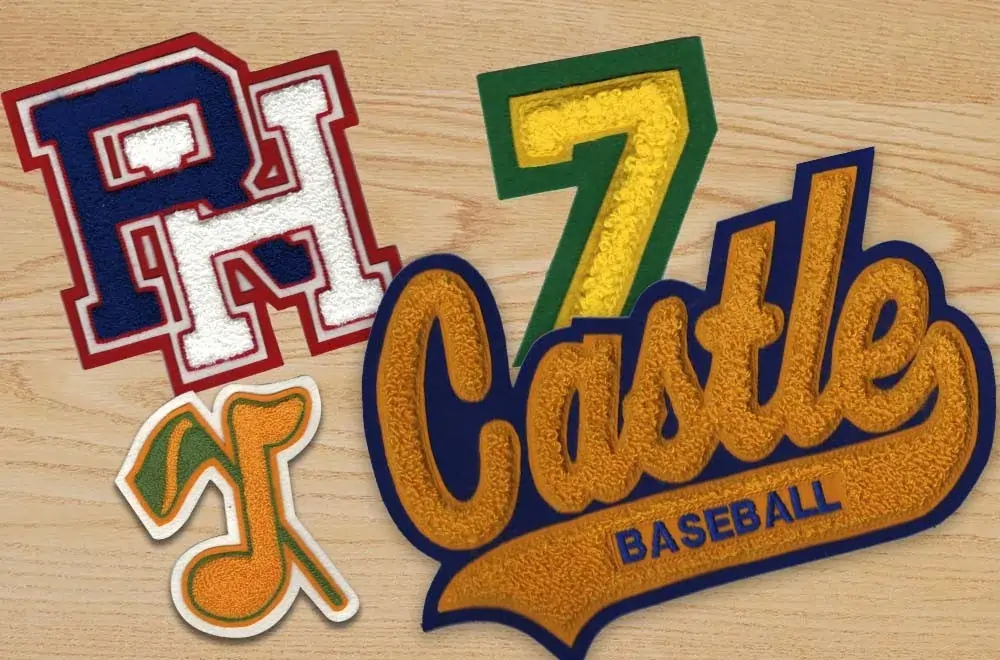
Chenille patches are fluffy and soft. They use yarn loops that create a fuzzy texture. If you have seen classic varsity jackets, you have already seen chenille patches. These patches are large, bold, and easy to notice.
They work best on heavy jackets such as:
- Varsity jackets
- Wool jackets
- College-style coats
Here is a quick comparison.
| Patch Type | Texture | Best For |
| Embroidered | Raised thread | Denim jackets |
| Woven | Smooth | Light jackets |
| Chenille | Soft and fuzzy | Varsity jackets |
Chenille patches may not work well on thin jackets because they are bulky.
Leather Patches Are a Stylish Choice for Tough Jackets
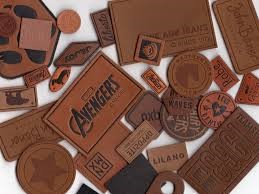
Leather patches give jackets a premium and rugged look. They are simple but very stylish. Many outdoor and biker jackets use them. A leather patch usually has a logo pressed or engraved into the surface. Some brands also add stitched designs.
These patches look great on strong jackets like:
- Leather jackets
- Heavy denim jackets
- Work jackets
Leather patches feel natural on these materials because the texture matches.
Why do people like leather patches?
| Feature | Benefit |
| Natural material | Looks premium |
| Strong and durable | Lasts many years |
| Simple design | Clean and classy style |
However, leather patches may not look good on soft or sporty jackets. They can feel too heavy or stiff for thin fabric.
PVC Patches Are Modern and Weatherproof
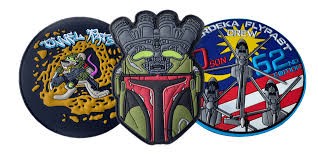
PVC patches are made from soft rubber. They have become popular in modern streetwear and tactical gear.
They are very strong. Water, mud, and dust usually do not damage them. Because of this, many outdoor jackets use them.
These patches also have a 3D look. The raised rubber layers make the design stand out.
Many brands now design custom jacket patches using PVC because they can create bold shapes and bright colors.
Best jackets for PVC patches
| Jacket Type | Why It Works |
| Tactical jackets | Strong and durable |
| Outdoor jackets | Weather resistant |
| Streetwear jackets | Bold modern style |
PVC patches may not match classic jackets like vintage denim or wool coats. Their modern look sometimes feels too sporty.
Printed Patches Are Great for Complex Artwork
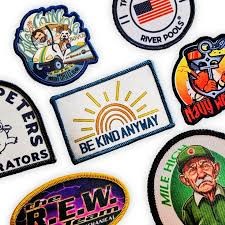
Printed patches are a good option when a design has many colors or small details. Instead of thread, the artwork is printed directly onto fabric.
This means photos, gradients, and complex graphics can appear clearly. Printed patches are also lighter than thick stitched patches. So they work well on thin jackets.
You will often see them on:
- Fashion bomber jackets
- Windbreakers
- Trendy streetwear
Many designers create custom embroidered patches for texture, but printed patches are better when the design needs very fine details. Still, printed patches may fade faster after many washes.
Picking the Right Patch Size
Size matters when choosing a patch for a jacket. A patch that is too big can look messy. A patch that is too small may not stand out.
Here is a simple guide.
| Patch Placement | Recommended Size |
| Chest area | 2–4 inches |
| Sleeve | 2–3 inches |
| Back center | 8–12 inches |
| Shoulder | 2–3 inches |
Large back patches are common in biker and streetwear culture. Smaller patches usually look better on the front. The goal is to match the jacket size and design.
Where to Place Jacket Patches
Placement can change the whole look of a jacket. Some placements are classic and always work well.
Popular patch spots:
- Left chest
- Right sleeve
- Upper shoulder
- Center back
A large patch on the back often becomes the main design. Smaller patches on the chest or sleeve add extra personality.
When planning patch placement, try not to overcrowd the jacket. Too many patches can make it look messy.
Frequently Asked Questions
Should I put a heavy embroidered patch on a thin windbreaker?
It is usually not a good idea. Heavy patches can pull the fabric and make the jacket wrinkle. A lighter woven or printed patch works better for thin windbreakers.
What’s the go-to choice for a classic denim trucker jacket?
Embroidered patches are the most popular choice. They match the strong denim fabric and give the jacket a timeless look.
Are leather patches better than thread for leather jackets?
Often yes. Leather patches blend naturally with leather jackets. They create a clean and stylish look without too much contrast.
Is Velcro a bad idea for a high-end winter parka?
Not always, but it depends on the design. Velcro is practical, but some luxury jackets look better with sewn patches for a cleaner finish.
What size is “too big” for a back-piece?
Most back patches stay between 8 and 12 inches wide. Anything much larger can cover too much of the jacket and look unbalanced.
The Ending Notes
Jacket patches can completely change the look of your outfit. The right patch adds personality, style, and character to a simple jacket. Think about the jacket material, the patch size, and the overall style. A well-chosen patch can turn an ordinary jacket into something truly unique.
Whether you prefer bold embroidery, smooth woven designs, or stylish leather pieces, the right patch will always make your jacket stand out.

As the content specialist for PatchesMaker.co.uk, I focus on delivering practical insights into the world of custom patch manufacturing across the UK. My blogs cover everything from military and morale patches to promotional and corporate branding solutions. I break down production processes, quality standards, backing options, and design considerations in a clear and professional manner. Through informative and research-driven content, I aim to help businesses, sports teams, and institutions make confident decisions when investing in custom patches that reflect their brand values.