
 REVIEWS
How to Perfectly Place OCP Patches on Your Army Uniform?
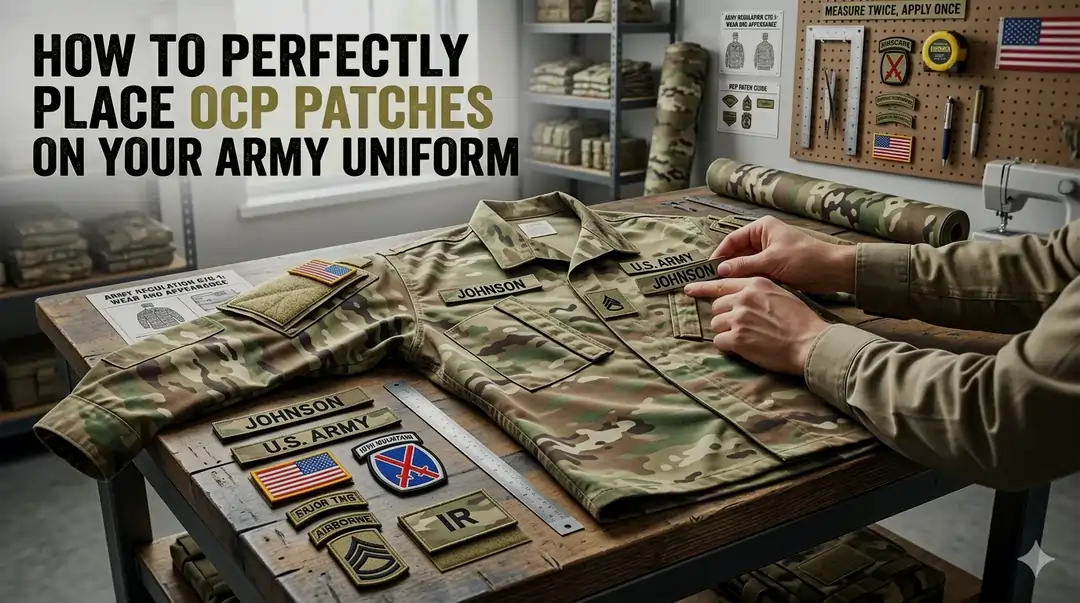
In the armed forces, custom patches are not designed for decoration but are symbols of distinction, identity, and accomplishment. Each type of these patches has its own purpose, but it is represented correctly only with the right placement. This blog is your friendly guide to the types of OCP patches, their importance, the rules, and the perfect placement on army uniforms.
What makes an OCP patch critical? Whether it’s a military enthusiast or an active service member, knowing the correct OCP placement is crucial for respecting military decorum. OCP patches are unique in that they offer consistency and advantages in both situations a combat and non-combat situations.
What Are OCP Patches?
OCP stands for Operational Camouflage Patterns, which refers to a flexible camouflage made to merge effortlessly with different surroundings. The role is to protect your life from enemies. It is the updated version of UCP, Universal Camouflage Patterns.
Various types of armed forces, including the air force, military, and on-ground soldiers, use OCP to protect themselves. Patches makers craft them with a unique texture and material, having color combinations with the background. Patterns and designs on the OCP patches are merged with the surrounding environment, such as glass, rocks, or dunes. Each unit and rank in the armed forces has its own set of patches with specific designs.
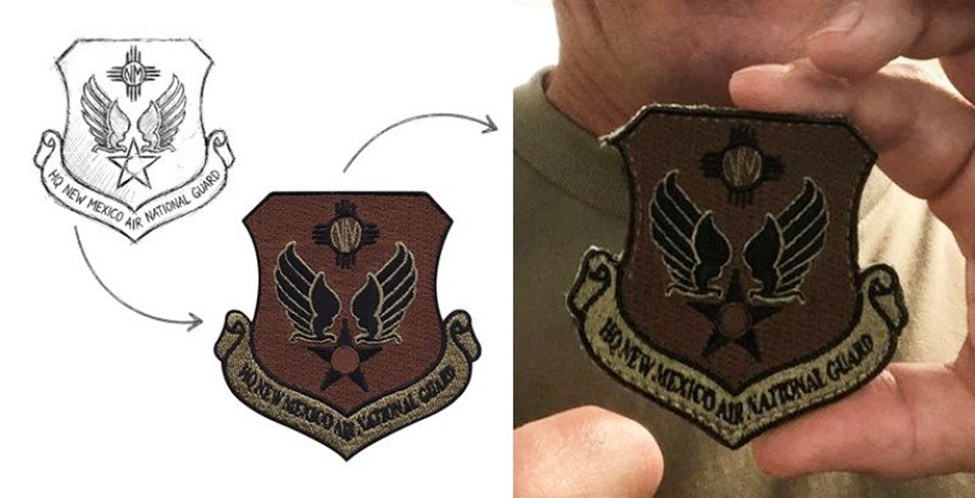
Types of OCP Patches
Before switching to the correct placement of the OCP patches, let’s understand the type of OCP patches.
1. Unit Identification Patches
Unit patches are mainly used to assign a specific command, battalion, or division to every soldier. They are crafted to raise pride, a unique identity, and unity.
2. Rank Insignia Patches
Ranked insignia patches are used in the armed forces to display the leadership level and authority within the military organizations. These types of patches display a clear command structure during operations.
3. Name Tape Patches
These types of patches are also called name tags that help to identify the soldier in combat, training, and field operations.
4. Service Branch Patches
Service branch tapes help to show the brand of the military that a soldier belongs to. It shows professionalism and enhances the appearance of soldiers. There can be many types of branches, like the Army or the Air Force.
5. Flag Patches
Flag patches are one of the best and most important types of OCP patches. None of the soldiers forgets to wear the flag patch as they love to wear it on their uniforms.
6. Morale and Mission
Morale and mission patches are created to boost the confidence of the officers. They are placed with the deployments, unit culture, lighthearted quotes, and accomplishments, providing more power to the soldiers.
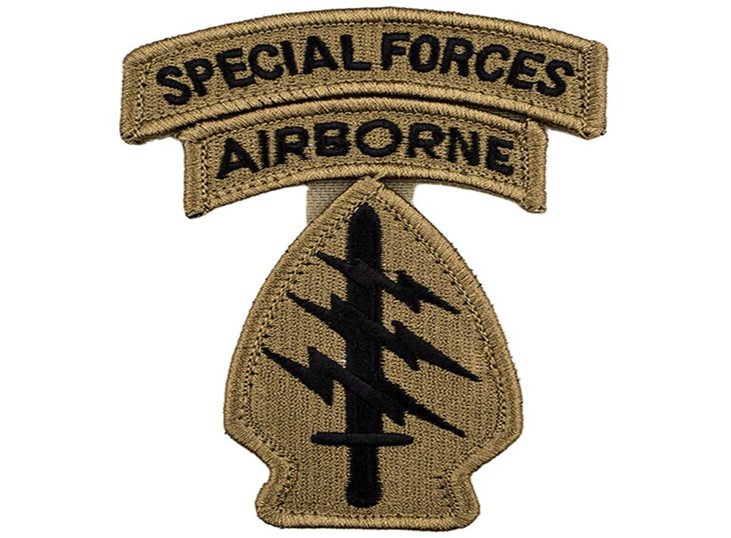
Why is the correct placement of OCP Patches Important?
It is crucial to learn the proper placement of the armed forces and air force OCP patches for a sharp and professional appearance. A little mistake in placing the OCP patches can lead to a visual inconsistency across the unit. Many of the armed forces’ senior ca take the actions against the violation that can get you in trouble. Here are the reasons why the correct placement of OCP patches is essential.
- Clear rank recognition
- Military tradition and discipline
- Unit identity and professionalism
Which One Is Right? Iron-On or Sew-On?
Choosing the right method for applying the patches is important for ensuring durability and integrity. Here are the two types of method which are used for the OCP badges placement.
● Sew On Patches
Sew-on patches provide long-lasting durability to the military patches and are suitable for the harsh conditions and frequent washing. Experts suggest preferring sew-on patches for better results.
● Iron-On Patches
While they are quick and easy to apply, they do not last as long. You must be careful when applying different types of iron-on patches. Do not put iron on nylon and leather emblems, as they are sensitive to direct heat.
Using the correct placement method will help you keep the patch in place longer and let you wear it easily in any conditions.
The Rules for Army OCP Patches Placement
Following the rules for Army OCP patches placement is crucial for the consistency, clarity, and respect for the ranks.
- Left Chest: Added name tape with OCP colors embroidery.
- Right Chest: Service tape placement, i.e., UK Army.
- Left Shoulder Sleeve: Combat and unit patches.
- Right Shoulder Sleeve: UK flag with backward/ assault orientation.
- Patrol Cap: Rank insignia is placed on the center above the bill.
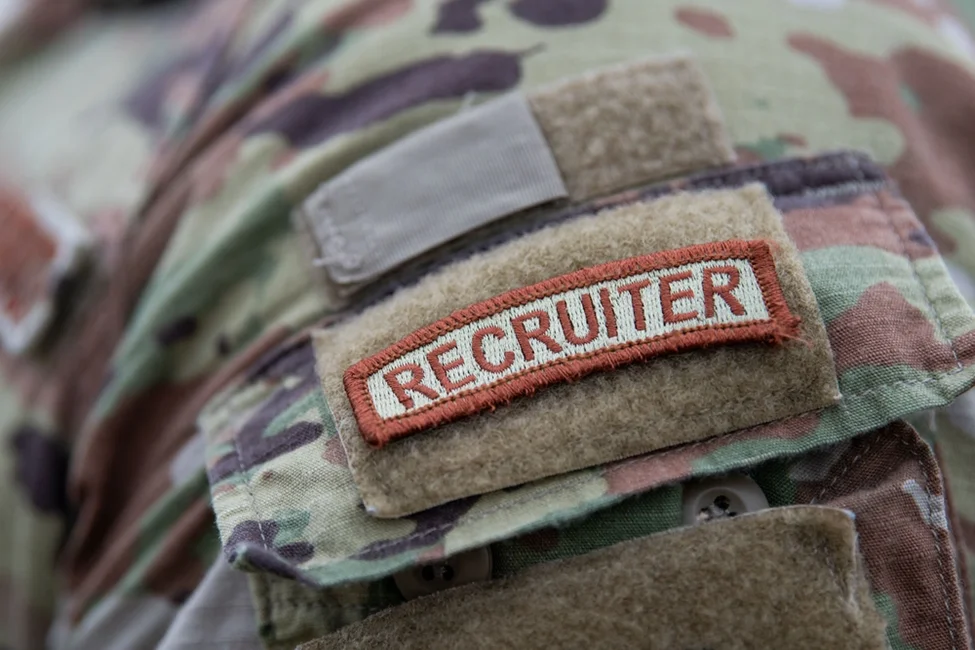
The Correct Army Patches Placement
Now you have understood the rules, types, and importance of OCP patches. Let’s dive into the correct placement of OCP patches.
1. Formation/ Unit Patch
The purpose is the formation or unit identification on the service dress. They are placed on the upper sleeves of the service dress with a senior formation patch on the left sleeve.
2. Flag Badges
The purpose of the flag badges is the national identification on the operational dress. They are placed on the top right shoulder on operational uniforms.
3. Division/Bridge Patches
The main aim of this patch is for higher formation identification during operations. They are applied to the top right shoulder on operational dress.
4. Name Tape
Name tape is designed for the personal identification of an army person. On the service dress, CAF name tags and, for operational and tactical, embroidered name tags are applied above the pocket.
5. Rank Insignia
Rank insignia indicate rank and supervisor level and are placed on the authorized positions (collars/epaulettes/Velcro panels) per dress types.
6. Skill/Qualification Badge
These badges show the specialist’s qualifications and trade skills. They are applied as the authorization, like the left chest on the service dress and the flag below on the operational dress.
Frequently Asked Questions
1: Where exactly does the flag patch sit on the OCP sleeve?
According to the army regulations, the flag patch is considered to be placed on the top right shoulder of the army uniform, directly on the top of the hook and Velcro pad.
2: What’s the rule for rank insignia placement on the chest?
The rule for rank insignia placement on the chest applies to the Army uniform. It is placed on the Velcro patch on the center of the chest between two name tapes.
3: Can I just “eyeball” the distance for my unit patches?
No, you cannot eyeball the distance for the unit patches according to the rules and specifications; it requires proper measurements. Improper placement can lead to a failed inspection, especially for formal occasions and during initial training.
4: Is there a specific order for skill tabs like Ranger or Sapper?
Yes, there is a specific order of precedence for the Army special skill tabs when wearing multiple tabs on the uniform. The order from the above to the below is the president, Special Forces, the ranger, and the sapper.
5: Should I sew them on or stick with the Velcro?
Sticking with the Velcro patches is better for the uniform longevity, convenience, and cost effectiveness, especially for the junior ranks or those who are in training. Sew-on patches are preferred for the authorized permanent badges, as a more professional look is desired.
The Bottom Line
Your OCP patches the right story; whether you are a veteran, on active duty, or love the crispy look of the military, you just need to place them right. OCP patches are made for different environments to protect the army from enemies and to identify and display rank.
There are different types of OCP patches, each serving a different purpose, including unit identification patches, rank insignia, name tape, flag badges, service branch tape, and morale and mission badges. Applying the OCP military patches is important for professionalism, clarity, and improving the appearance of the army dress. Choosing the right type matters, whether it is sew-on for the most durable or iron-on for the faster process. Must follow the rules to apply to each place, including the left or right chest, left or right shoulder sleeve, or on the patrol cap. Each patch type should be placed perfectly for a professional appearance and recognition.

As the content specialist for PatchesMaker.co.uk, I focus on delivering practical insights into the world of custom patch manufacturing across the UK. My blogs cover everything from military and morale patches to promotional and corporate branding solutions. I break down production processes, quality standards, backing options, and design considerations in a clear and professional manner. Through informative and research-driven content, I aim to help businesses, sports teams, and institutions make confident decisions when investing in custom patches that reflect their brand values.