
 REVIEWS
Can I Make My Own Embroidery Patches?
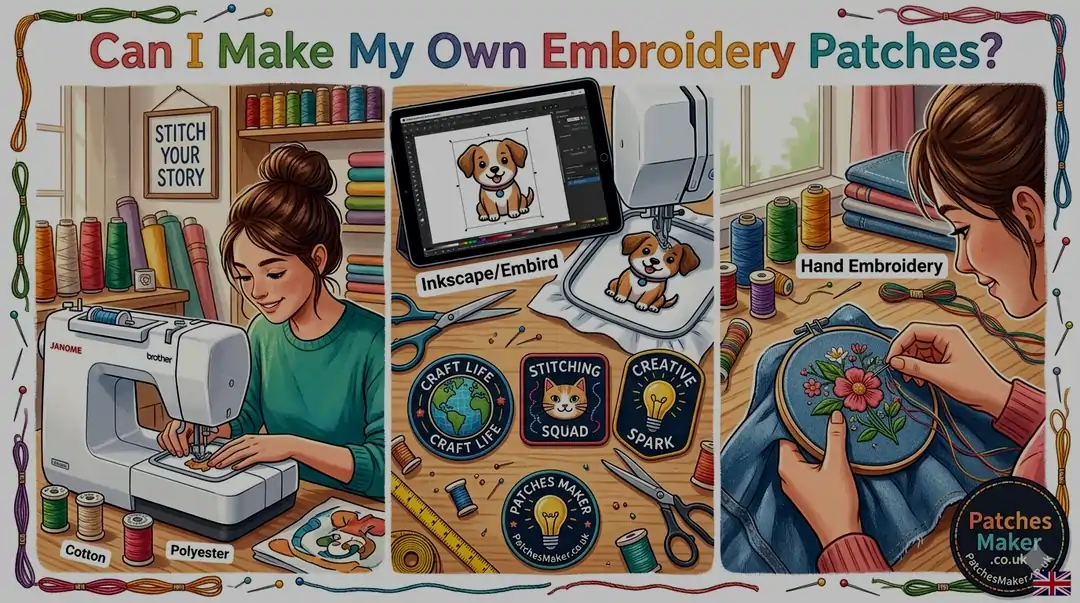
Many people love embroidered patches. They appear on jackets, backpacks, hats, and even jeans. A patch can show your style, your club, or something you care about. The good news is that you can actually make one yourself. With the right tools and a little patience, creating your own patch is possible, even at home.
Making a patch is not just about sewing thread into fabric. It feels more like creating a tiny piece of art. Every color, line, and stitch adds personality. Some people even turn patch-making into a small hobby or business. If you enjoy crafts or creative work, learning how to make your own embroidered patch can be a very rewarding project.
What Is an Embroidery Patch?
An embroidery patch is a small piece of fabric with a stitched design on top. The design is created using colored thread. Once the patch is finished, it can be sewn or attached to clothing.
You have probably seen patches on:
- Denim jackets
- School bags
- Military uniforms
- Biker jackets
- Sports team clothing
The stitched design makes patches strong and long-lasting. Many people buy custom embroidered patches for clubs, brands, and fashion. But some people enjoy making them by hand because it feels more personal.
Can You Really Make a Patch at Home?
Yes, you can. Many beginners start patch making with simple tools and basic stitching.
You do not need a large workshop or expensive equipment. In fact, a small table and a few materials are enough to begin.
Here are some basic things people use when making patches at home.
| Tool | Why You Need It |
| Fabric (usually twill or cotton) | The base of the patch |
| Embroidery thread | Creates the design |
| Needle or embroidery machine | For stitching |
| Scissors | To cut the patch |
| Fabric marker | To draw the design |
The process is simple. First, you draw a design. Then you stitch over it with thread. Finally, you cut the patch and attach a border.
Choosing the Right Fabric for Your Patch
Fabric plays a big role in how your patch will look and last. Some fabrics hold stitches better than others. Most patch makers prefer strong fabrics because they stay firm when stitched.
Here are common patch fabrics.
| Fabric Type | Why It Works |
| Twill | Very strong and smooth |
| Cotton | Easy to stitch |
| Felt | Good for beginners |
| Canvas | Thick and durable |
Twill is often the most popular option because it keeps the patch shape neat.
Soft fabric can sometimes wrinkle when you stitch. So beginners usually start with thicker material.
Simple Steps to Start Making Your First Patch
If you want to try patch making, the process can be broken into a few simple steps.
- First, sketch your design on paper. Keep it simple at the beginning. Small shapes and bold lines work best.
- Second, draw the design onto your fabric using a fabric pencil or marker.
- Third, start stitching slowly along the lines. Try to keep the stitches even.
- Fourth, cut the patch shape once the design is finished.
- Finally, add a border stitch around the edges to prevent the patch from fraying.
Some people later switch to machines to make embroidered patches, but learning by hand is a great first step.
Simple Embroidery Stitches You Can Use
You do not need many fancy stitches to make a good patch because a few basic ones are enough. Most beginners start with simple stitches and slowly improve.
Here are some common stitches used in patches.
| Stitch | What It Does |
| Running stitch | Simple lines and outlines |
| Back stitch | Strong and neat outlines |
| Satin stitch | Fills shapes with smooth thread |
| Chain stitch | Creates bold decorative lines |
Back stitch is often the easiest for beginners. It creates clean outlines and keeps the design clear.
Take your time when stitching. Slow stitching usually looks much better than rushing. Many people who practice these stitches later move on to designing custom patches for jackets, bags, and fashion items.
Choosing the Right Thread
Thread matters more than many beginners think. A weak thread can break or fade quickly.
Embroidery thread is stronger than normal sewing thread. It also comes in brighter colors.
Here are some popular thread types.
| Thread Type | Why People Use It |
| Cotton embroidery thread | Soft and easy to work with |
| Polyester thread | Strong and long-lasting |
| Rayon thread | Very shiny and smooth |
Polyester thread is often the most durable. It handles washing and daily wear better.
If your patch will be used on jackets or bags, a stronger thread is always a better choice.
Many brands that sell custom patches UK use high-quality thread because it keeps colors bright for a long time.
Adding a Border to Your Patch
The border is the edge around the patch. It keeps the fabric from fraying. Without a border, the patch edges may slowly come apart. There are a few simple border options.
1. Merrow border
It has a thick stitched edge.
2. Satin border
This comes with a smooth stitched outline.
3. Cut edge
It is a simple trimmed edge with stitching.
Beginners often start with a satin border because it is easier to stitch by hand. A clean border makes the patch look more finished and professional.
Common Mistakes Beginners Make
Almost everyone makes mistakes when making their first patch, and that is part of learning. The good thing is that these mistakes are easy to avoid once you know about them.
Here are a few quick things to remember.
| Mistake | What to Do Instead |
| Very complex design | Start with simple shapes |
| Pulling the thread too tight | Keep stitches relaxed |
| Weak fabric | Use a stronger fabric like twill |
| Skipping the border | Always stitch the edges |
When you take your time and follow these simple steps, your patches will look much cleaner.
Frequently Asked Questions
Is it actually possible to DIY a professional-looking patch at home?
Yes, it is possible. With patience and practice, many people create very neat patches at home. Starting with simple designs helps a lot.
What mistakes do beginners make with home-made embroidery?
The biggest mistake is to pick the design that is overly complicated. Simple shapes and bold lines are much simpler to stitch.
Is there any specific type of thread for durability?
Yes, embroidery thread works best. Polyester embroidery thread is strong and lasts longer even after several washes.
Can I hand-stitch a patch if I don’t own a machine?
Yes, you can. Many people start by hand stitching their patches. A needle, thread, and some patience are enough.
Can I hand-stitch a patch if I don’t own a machine?
Yes. Hand stitching is actually one of the easiest ways to learn patch making. Machines can make the process faster, but they are not required.
The Ending Notes
Making your own embroidery patch can be a fun and creative project. It allows you to turn simple fabric and thread into something unique. Whether you place it on a jacket, bag, or hat, a handmade patch always feels special.
Start small, keep the design simple, and practice your stitches. With time, your patches will look better and better. And who knows? What begins as a small craft project could even turn into a creative hobby you truly enjoy.

As the content specialist for PatchesMaker.co.uk, I focus on delivering practical insights into the world of custom patch manufacturing across the UK. My blogs cover everything from military and morale patches to promotional and corporate branding solutions. I break down production processes, quality standards, backing options, and design considerations in a clear and professional manner. Through informative and research-driven content, I aim to help businesses, sports teams, and institutions make confident decisions when investing in custom patches that reflect their brand values.